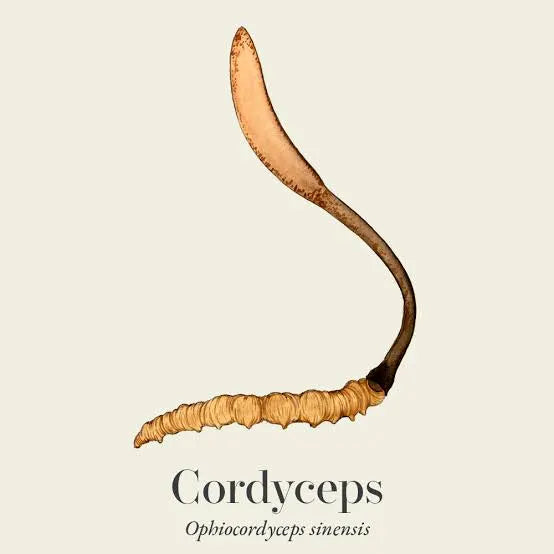

A place name can fit on a label. The life of a community cannot. Laya and the wider Gasa highlands are part of the sourcing direction Pure Bhutan has described for Ophiocordyceps sinensis. Telling that story well means resisting the temptation to reduce a community to a dramatic mountain image.
What belongs in an origin story?
A useful source record identifies the community, the ingredient, the harvest period and the connection to a production batch. It also makes room for how the material was transferred, received and documented. Those details make the difference between a general statement about a region and a record about a bottle.
We do not publish an individual collector’s name or portrait without permission. Nor should exact wild-harvest coordinates be necessary for a customer to understand a supply chain. Community-level context and appropriate supporting records can provide meaning while respecting sensitive places.
Leave room for the people themselves
This is an introduction to our approach, not an interview with a Laya farmer or forager. We have not supplied invented dialogue, personal histories or income figures. A future first-person story should be reviewed by the person whose experience it describes, including the translation and the images used alongside it.
When a batch record is published, use it to check the specific source for that bottle. If the record names another community, that record should guide your understanding rather than a general homepage narrative.
Our ambition is a story that can become more detailed through participation: a place introduced respectfully, and a relationship explained by the people in it.